
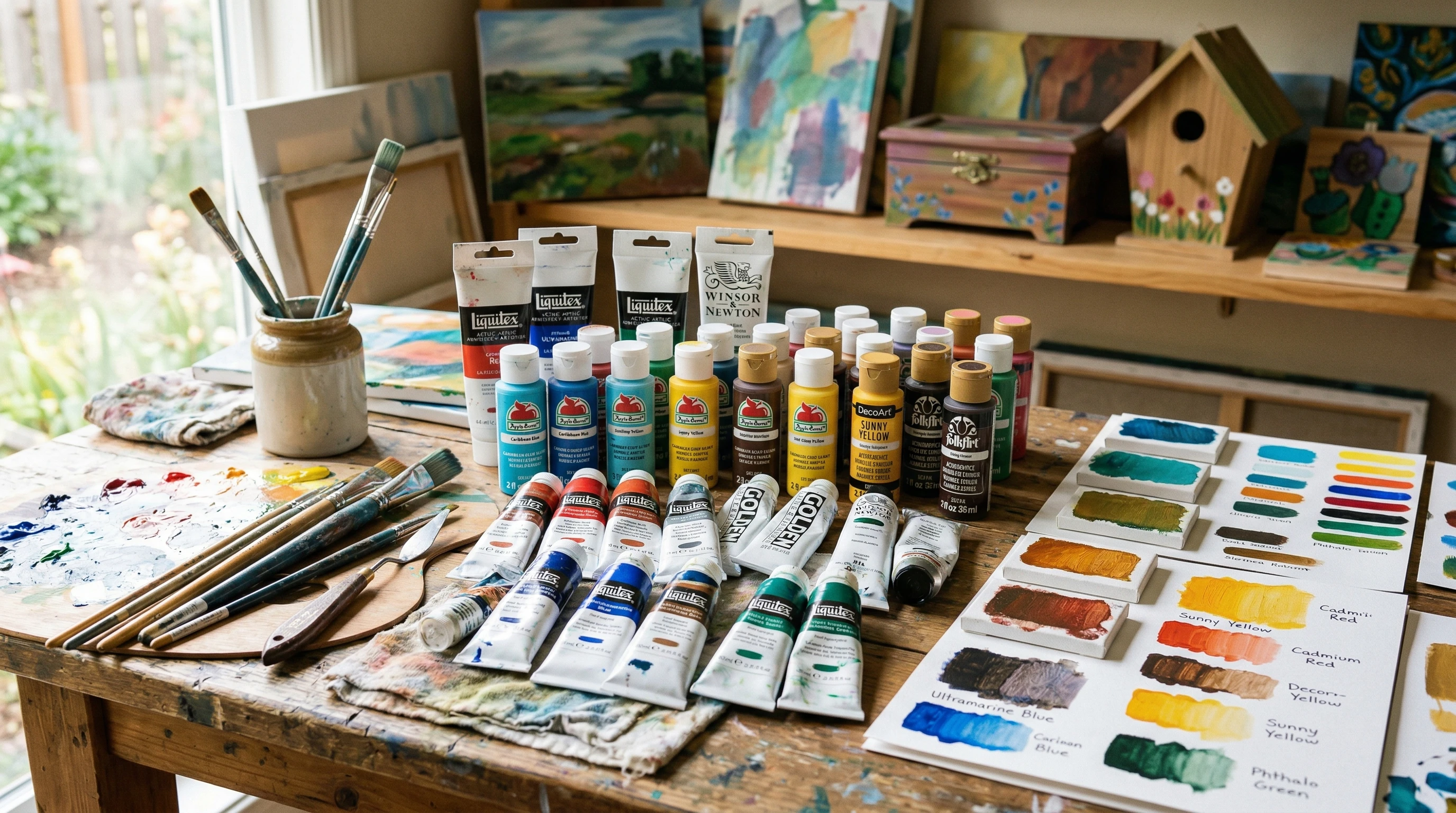
 When you’re gearing up for a painting project, picking the right paint can make a real difference in your results and how much you enjoy the process. Acrylic paint pops up a lot in craft stores and art shops, but there’s a big difference between the tubes labeled “artist acrylic” and the bottles marked “craft paint.” Figuring out which type to use comes down to your project, budget, and expectations for color, longevity, and finish.
If you’ve ever gotten overwhelmed in the paint aisle, you’re definitely not alone. Artist acrylic and craft acrylic both have their perks, but they behave pretty differently once you get them on your brush. Choosing wisely can save you frustration and help your work look its best, whether you’re starting a canvas masterpiece or making some colorful holiday decorations.
This article lays out the differences between acrylic artist paint and craft paint. You’ll get the info you need to pick the right paint for your budget, skill level, and creative goals, from first strokes to finishing touches. We’ll also dig into when it’s smart to use each type and how to maximize your creative efforts, no matter the project size or your experience level.
1. Main Differences: Acrylic Artist Paint vs. Craft Paint
The biggest dividing line between these two paint types is quality—specifically pigment, texture, consistency, and price. Artist acrylics are made for serious painting on canvas and fine art pieces. Craft paint is designed for easy use on a bunch of different surfaces and is all about convenience and fun.
Pigment and Color Vibrancy
- Artist Acrylic: Uses a lot more pigment. This means colors come out richer, stay true when mixed, and rarely look dull, even after drying. Artist acrylics are built to last, so they’re fade-resistant too.
- Craft Paint: Has less pigment and more fillers, which keeps the price lower and the coverage a bit lighter. Some colors can look less intense, especially when dry, and details may not hold up as well over time.
Consistency and Texture
- Artist Acrylic: Usually comes in thicker, creamy tubes or jars. This lets you build up layers, create texture, and use techniques like impasto (thick, sculptural painting). Blending colors is smoother, and brush marks can be part of your style.
- Craft Paint: Thinner and more liquid, which makes it super easy to brush onto wood, plastic, metal, or paper. It dries fast and works well for base coats, stencils, or details, but doesn’t offer much texture or blending ability.
Price Tag
- Artist Acrylic: Most tubes are pricier because of the higher quality ingredients, yet you end up needing less paint to get solid coverage. Single tubes can cost several dollars each, sometimes more for rare pigments. The investment often pays off if you need lasting quality.
- Craft Paint: Sold in bigger bottles for a few bucks each, making it budget friendly for big projects or group activities. While the pigment load isn’t as strong, you get lots of colors for not a lot of cash, especially in classroom or party settings.
Understanding these differences makes it easier to decide what’s best for your next creative session. If you want to jump into fine art, strong colors, and lasting results, artist acrylics deliver. If you want quick coverage, endless surface options, and easy experimentation, craft paint holds its own.
2. When to Use Acrylic Artist Paint
Artist acrylic is a great pick if you care about strong, long-lasting color or want to use advanced painting techniques. Its main strengths come out in fine art, detailed work, or anything you want to display or sell. Here’s when it comes in handy:
- Fine Art Canvases: Perfect for paintings you’ll hang or sell. Colors stay bright and bold for years.
- Layering and Texturing: The thick formula lets you build layers, create realistic shading, or use palette knife effects. This opens up next-level cool creative options if you enjoy pushing beyond flat painting styles.
- Mixing Colors: Colors stay clear and vibrant when blended, offering endless custom tones. If making custom palettes is your thing, artist quality tubes let you create the exact shade you have in mind.
- Lightfast Needs: Pick artist acrylic when you want your art to handle sunlight without fading. Galleries, outdoor installations, and keepsake art all benefit here.
I’ve found that investing in artist acrylics pays off when you want a result that looks pro, especially on stretched canvas or art boards. For sketchbook experiments or classroom settings, though, artist paint can feel a bit overkill—sometimes it’s best saved for your main event pieces rather than daily experimenting.
If you’re dreaming up giftable art, wall hangings, or pieces you’ll put out on display, the extra expense and workability of artist acrylics really do step up your results. Their texture and finishing options are hard to beat for original artwork.
3. When Craft Paint Works Best
Craft paint shines when you want flexibility, easy cleanup, and a range of surfaces to decorate, without worrying about breaking the bank. It’s ideal for:
- Decorative Objects: Painting wooden signs, ornaments, picture frames, or flowerpots is easy with craft paint because it sticks well to lots of noncanvas surfaces.
- Kids’ Projects and Group Crafts: Low cost, nontoxic options, and washability are a big plus with craft paint, especially for messy activities. Teachers and parents love the easy cleanup after group sessions.
- Craft Parties and DIY Decor: When you need loads of color and big coverage, craft paint is simple and affordable. Great for stenciling, mural backgrounds, or event decor when you want lots of people painting at once.
I use craft acrylics for holiday decorations and quick coloring jobs. They dry fast and can be layered with stickers, markers, or glitter. If you need a fancy finish (like a glossy top coat), you can seal craft paint with varnish or clear spray. Plus, the variety of colors, finishes, and effects sold in craft stores helps you really mix in some variety for any creative project.
Craft paint’s forgiving formula makes it perfect for trying new ideas or introducing kids to painting. There’s no need to stress about waste or mistakes—just have fun and let your creativity flow!
4. Surface Compatibility and Durability
Surfaces matter more than you might think. Artist acrylic is made for canvas, primed art boards, and specialty papers. Craft paint, on the other hand, is the king of multisurface magic.
- Artist Acrylic: Best results come with primed canvas, acrylic paper, and gessoed panels. Trying to use artist acrylic on slick, nonporous objects may need a primer for proper adhesion.
- Craft Paint: Sticks to almost anything—wood, terracotta, crafts foam, glass, plastic, paper mache, and more. Sometimes a quick sanding or primer coat will help it last longer. For outdoor items or objects that get lots of handling, adding a protective sealer adds to the lifespan of craft paint.
Craft paints usually aren’t as durable against weather or heavy handling unless you add a clear sealer. Both paints are water-resistant once dry, but neither is totally waterproof. For something meant to withstand the elements year-round, look into specialty outdoor or enamel paints instead.
It’s always smart to check the paint label for surface recommendations. Taking this step can help you make your art last and avoid disappointment down the road—especially if you’re making gifts or items to sell.
5. Ease of Use and Cleanup
Most beginners find craft paint less intimidating. It spreads easily, dries quickly, and, best of all, washes off brushes and hands with soap and water. If you need to mix a lot of colors, artist acrylic dries slower, giving you more time to work, but cleanup is about the same for both types.
I recommend laying down newspaper or a disposable tablecloth for either paint type, especially if you’re working with kids or don’t want to stain your table. Jars of water, paper towels, and soap nearby will make cleanup a snap, and both paints are safe for indoor use in most cases.
If you’re painting detailed objects or want more time for careful brushwork, go with artist acrylic. For large, fast projects or quick crafts, craft paint’s speedy drying is a bonus—no long wait times between coats. It also means less smudging during group projects.
6. Blending, Special Effects, and Customization
Artist acrylics let you experiment with blending, layering, glazing, and adding texture mediums like modeling paste or gels. They’re great for creating gradients, shadows, or mixing metallic colors. The thicker paint offers more control if you want next-level cool textures or rich, custom effects.
Craft paints are thinner, so blending is limited and layers dry quickly, making special effects harder to achieve unless you use extra tools or work really fast. While some specialty craft paints have glitter or pearl finishes already mixed in, it’s harder to create seamless gradients with craft paint than with artist-grade formulas.
Some crafty folks use artist acrylic for fine details over a craft paint background, or add a few artist tubes to their stash for blending highlights and shadows. Mixing the two is possible, but for best results, stick to one type per layer. Experiment and see what works for your unique style—there’s no rule against exploring both types in one project!
7. Budget and Project Planning
The cost of your project can steer your paint choice. If you’re doing a mural, decorating for a party, or need big quantities of color, craft paint saves cash and gives great results on a range of surfaces. For a single, special painting that you want to last, it’s probably worth reaching for artist tubes and investing a little more upfront.
- For hobbyists, crafters, and teachers: Bulk craft paint bottles keep costs low and projects stress free. Easy availability in big box stores and online is another plus.
- For artists and serious hobbyists: Start with a few artist-grade primaries and expand as you get comfortable. Focus on colors you know you’ll use often, and try small tubes or sample sets to build your experience and favorite combinations.
Project planning comes down to the finish you want, how much paint you’ll use, and whether your piece will be displayed or handled a lot. Being realistic about your needs and budget can help you skip buyer’s remorse and enjoy the painting process.
Final Thoughts
Picking between acrylic artist paint and craft paint really depends on the kind of creative work you’re doing, how long you want it to last, and your budget. Each type offers its own mix of convenience, color power, and flexibility. Trying out both is the best way to find what fits your projects, style, and goals. After a few test runs, you’ll know which paint has your back every time you get the urge to create. No matter which you choose, the most important thing is to have fun and let your creativity flow. Next time you’re shopping, remember these key differences, and you’ll be able to spot the right paint for your next masterpiece or crafty adventure!