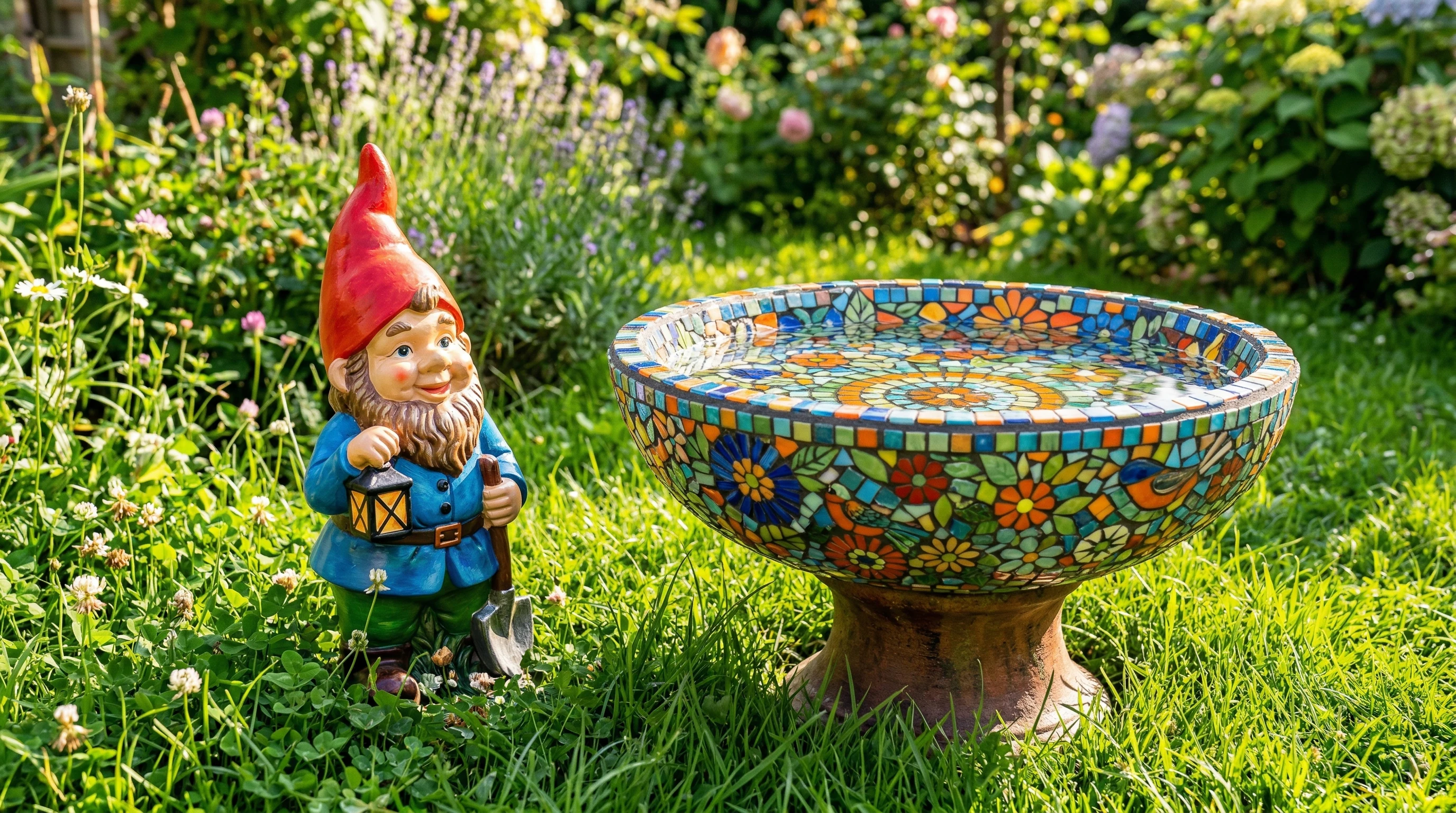
 Yard ornaments bring a backyard to life. Whether it’s a quirky gnome, a proud concrete deer, or a vintage birdbath, these pieces add a touch of personality and fun to any space. But storms, sun, accidents, and time can wear down even the most beloved lawn treasures. It’s a real bummer to walk out and see a favorite ornament cracked, faded, or on its last legs.
If you’ve ever found a garden gnome toppled by wind or a cherished statue that’s more paint-chipped than painted, you know how disappointing it feels. Here’s some good news. Restoration is totally possible, and it can even be fun. I’ve collected yard ornament rescue stories and tips that might just inspire you to tackle your own backyard project.
This article jumps into before-and-after tales, the nuts and bolts of DIY restoration, and clever ideas for bringing damaged ornaments back to life. You’ll see that a little effort can make a broken ornament delightful again. Sometimes, the story behind the recovery is just as charming as the piece itself.
1. When Disaster Strikes: Common Causes of Ornament Damage
Weather and accidents tend to be the biggest threats to yard ornaments. Hail, strong winds, and freezing temps can crack or break both ceramics and resin. Sunlight fades colors fast, and that perfect squirrel who visits your birdbath? Turns out, he’s a bit clumsy; animals can cause chips and even send ornaments tumbling.
Sometimes it’s just age. Paint peels, details erode, and materials become brittle over time. And I’ve learned not to underestimate mowing mishaps. One wrong turn, and you could be picking up gnome pieces. Being aware of these common risks helps you map out how to restore and protect your outdoor treasures.
2. Gnome Gone, Gnome Back: Real Restoration Stories
There’s nothing like seeing a before-and-after photo of a garden statue that looked bound for the trash but now shines as the star of the yard. I’ve seen neighbors swap repair tricks, and I’ve gotten the inside scoop on some of their proudest fixes. Here are a couple of my favorite stories:
The Broken Flamingo Comeback
My friend Sarah inherited a pair of pink plastic flamingos, sunbleached and with broken legs. She considered tossing them, but instead, she got creative. After cleaning and patching cracks with epoxy putty, she used spray paint made for plastics and even crafted new wire legs. Now, those flamingos are bright, sturdy, and have a place of honor.
The Chipped Concrete Deer Rescue
A neighbor across the street found his concrete deer statue after a storm; antlers snapped and chunks missing on a leg. He patched it up with mortar, shaped the antlers with wire covered in joint compound, and then painted the whole thing using masonry paint. Watching that deer go from disaster to showpiece renewed his love for backyard decorating.
Another fun story comes from Megan, who stumbled upon a faded ceramic tortoise in her grandmother’s yard. The tortoise had cracks on its shell and was missing one foot. Megan cleaned it, filled the lines with waterproof epoxy, and repainted it with weatherproof acrylic paints. To give it a unique touch, she glued on shiny mosaic tiles left over from another project for the shell. Now, the tortoise sits proudly among her hostas—an ornament rescued and leveled up to eye-catching status.
3. DIY Steps for Reviving Old Yard Ornaments
Restoration projects can sound intimidating, but I’ve found that the basics are straightforward. Here’s a simple plan I use for reviving wornout yard ornaments:
Cleaning: The Starting Point
- Rinse dirt off with a hose and soft brush.
- A little dish soap in warm water removes most grime. Avoid harsh chemicals, because they can damage paint and finishes.
Repairing Damage
- For smaller cracks and chips, twopart epoxy putty (like JB Weld or PC11) works on most materials.
- Larger breaks may need structural support. Steel wire or rods can help reinforce parts like birdbath bases or gnome hats.
Painting and Sealing
- Choose paint rated for outdoor or exterior use (acrylic for concrete, spray paint for resin or plastic).
- Apply a clear UVresistant spray sealant after painting. This keeps colors brighter for longer and protects against weather.
Some DIYers add a personal stamp, like a gold leaf on a frog’s crown or a new color on a gnome’s hat. If you’re into customization, this is the moment to make that ornament oneofakind. Don’t forget to let each layer dry thoroughly for the best results. Sometimes, adding a small date or initials to the base serves as a reminder of the moment you gave new life to the piece.
4. Inspiration From Creative Ornament Makeovers
The most inspiring rescues often come with a twist. People aren’t just fixing, they’re transforming. I’ve seen cracked birdbaths become succulent planters and toppled statues turned into whimsical stepping stones. Got a concrete mushroom with a missing cap? Try mosaics. Broken ceramic bunnies? Set them in flower beds as peekaboo garden surprises.
Sometimes, the damage leads to an ornament getting a completely new purpose. One family turned a broken gazing ball into a fairy garden centerpiece with lights and tiny plants. It’s these creative spins that show there are no strict rules. Just take the chance to be inventive.
Old metal yard art can be cleaned, bent into new shapes, or joined with other pieces to create something playful. Paint leftover from your main project might become the base coat for a new ornament. Leftover stones or shells add unexpected texture. Don’t hesitate to check out local garage sales or thrift shops for rescue-worthy projects; sometimes the most rundown pieces just need someone to spot their potential.
5. Tips for Preventing Future Damage
After all that effort, keeping your ornaments looking good is super important. Here are some tips that have saved me trouble down the road:
- Place lighter or fragile items in sheltered spots, like under trees or on covered patios.
- Lift ornaments off the ground using pavers or stones to help prevent moisture damage and frost in the base.
- Bring more delicate pieces indoors during harsh winters or major storms if you can.
- Reapply clear sealer every year or so. This extra step goes a long way toward keeping paint from fading and water out of small cracks.
A little preemptive care sets you up for fewer disasters and more delightful moments out in the garden. You might also want to check your yard regularly for small cracks or chips before they become bigger problems. Quick repairs make future maintenance much easier and help your treasures last for years. Don’t forget to move heavy ornaments with a friend to avoid accidental drops or injuries.
6. Getting the Community Involved: Group Restorations and Swaps
Some of the most enjoyable projects I’ve seen happen when neighbors pool their talents. Community restoration weekends or ornament swaps are a blast. One local group even hosts an annual “Yard Art Revival” where folks bring in damaged statues and work on them together; sharing repair tips, paint, and even leftover materials.
Local online groups and neighborhood social apps are great ways to find others interested in ornament restoration. A borrowed power sander or a shared pot of paint makes these projects easier and more social. Plus, swapping rescued ornaments not only saves pieces from the landfill, but keeps stories, and laughter, circulating through the neighborhood.
Kids can get involved in these projects, too. Hosting a painting day or a “decorate a gnome” contest encourages creativity and brings people together. Some communities have started small outdoor galleries to show off restored yard art. This kind of group effort brings neighbors together and helps keep the hobby alive and fresh for everyone.
7. Why Restoring Yard Ornaments Feels So Rewarding
Saving a weathered or broken ornament isn’t just about patching up an object. For a lot of us, these pieces spark memories and brighten up the backyard. A restored gnome from your grandparents’ house or a birdbath you brought back from the edge carries a feeling of pride every time you spot it outside. This process encourages creative thinking and sometimes even starts friendships, as you trade tips and swap stories with others on the same adventure. It feels genuinely rewarding to see something once dull and forgotten become delightful again; it’s a visual reminder that with a little effort, even the most tired ornament can be a source of backyard joy.
Over time, restored ornaments become part of your garden’s story. When guests ask about that one of a kind gnome or colorful tortoise, you get to share memories and maybe inspire someone else to try their hand at a rescue. Wrapping up, giving your yard treasures another chance adds both character and charm to your outdoor space. So next time you see a faded or chipped statue, think twice before you toss it out; instead, set aside an afternoon and give restoration a try. It just might turn into your favorite backyard project yet.