 Every DIYer has been there; you put a ton of heart into restoring that quirky yard ornament, only for it to end up looking, well, less than magical. Maybe there’s a wonky coat of paint, broken bits you can’t quite glue back, or just a result that doesn’t match what you pictured. It happens, but don’t toss that garden gnome or flamingo just yet. There’s a pretty simple path to bounce back from a botched project and still bring some charm back to your yard.
Feeling frustrated or disappointed with a failed yard ornament restoration is totally normal. Learning from what went sideways and figuring out a new plan can actually make your next attempt smoother, and honestly, more fun. Here’s how I turn yard ornament fails into creative wins, with tips that’ll help you make the most of your time, materials, and sense of adventure.
1. Take a Breath and Assess the Situation
First off, it’s easy to get bummed out or even a little annoyed when something doesn’t work out, especially after you’ve put in the effort. I’ve found that walking away for an hour (or even a whole day) helps clear my head. When I come back, I look at the ornament with fresh eyes.
What Went Wrong?
- Did the paint peel, wrinkle, or not stick?
- Is there cracked or missing material?
- Did glue or filler not hold up?
- Is the ornament just a different color or texture than you wanted?
Snapping a few photos from different angles also helps you spot things you might’ve missed in the moment. Sometimes, the problem is fixable with a quick patch; other times, the ornament needs a bigger redo.
2. Figure Out What Can Be Salvaged
Not all restoration projects need to be scrapped. Looking at what parts are still in good shape saves time, cash, and energy. Even if something is chipped or the paint job flopped, the basic material—resin, metal, plastic, or ceramic—could still be solid underneath.
Tips for Salvaging
- If only the paint job failed, sanding and repainting is usually an easy fix.
- For broken parts, some epoxy glues or twopart fillers work wonders, especially for outdoor items.
- If you can’t match the original colors or finish, it’s totally fine to switch up the style and try something funky or bold for round two.
3. Research and Learn from Mistakes
This is where a bit of extra research pays off. I like to look up what went wrong so I don’t run into the same problem twice. Sometimes, paint that says “weather resistant” still needs a proper primer, or maybe a certain glue only works on metal but not plastic. I check online forums, YouTube tutorials, and product reviews to get tips from folks who’ve been there.
If you’re not sure what caused the fail, try searching for your specific material (like “how to repaint concrete yard ornaments”) to get more relevant advice. Sometimes, local hardware store employees can offer pretty handy solutions if you bring in a photo or sample.
In addition to videos and forums, don’t forget about podcasts or hobby magazines. Plenty of DIYers share their stories and troubleshoot problems in detail. If you’re stuck, dig into these resources for fresh info and creative takes on common challenges.
4. Gather the Right Supplies for a Second Attempt
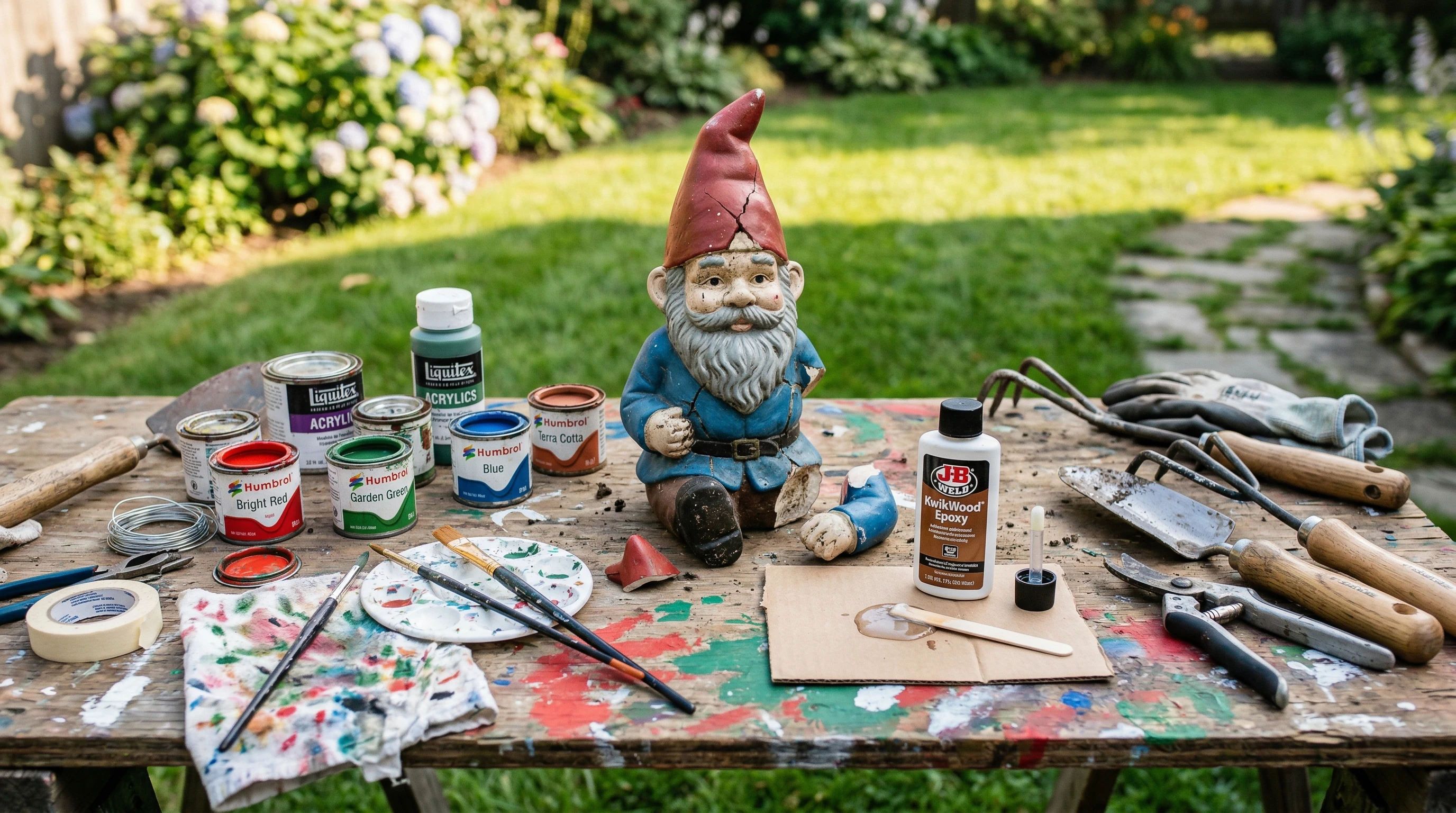
Having the right products and tools for your particular ornament saves a ton of hassle. Here’s what I reach for before getting into round two:
- Outdoorrated paint and sealant: Always check the label for UV and weather protection.
- Primer: Prepping the surface can be the difference between a smooth finish and a peeling disaster.
- Specialty adhesives: Not all glues are equal; some are made just for stone, ceramic, plastic, or metal.
- Sandpaper and brushes: Fresh surfaces grab paint a lot better once they’re sanded lightly.
- Protective gear: Gloves, a dust mask, and old clothes go a long way when sanding or using strong glues.
If you’re doing a major overhaul, add some wet wipes and a drop cloth to your supplies. The extra effort to protect your workspace means fewer headaches with cleanup—and you won’t bring dust or paint into the house by accident.
5. Try a New Technique (or a Whole New Look)
If your first idea flopped, mixing it up can lead to even cooler results. I’ve gone from classic, realistic coloring to wild, tiedye finishes and even glitter or mosaic accents. Here are a few secondchance ideas that turned my restoration flops into yard highlights:
- Use stencils for patterns if freehand painting wasn’t working out.
- Try decoupage (gluing decorative paper or fabric) if the surface is too rough to repaint smoothly.
- Go with metallic spray paint or stonetexture finishes for a quick, bold change.
- Cover cracks with tiny glass tiles, buttons, or beads for a mosaicstyle fix.
Sometimes, embracing a “weathered” or “vintage” look works best. Sand lightly in areas that would wear naturally, or add intentional streaks for character. Your changed-up ornament could end up as the most eyecatching piece in your yard.
6. Test on a Small Area First
Before you commit to your new plan, picking a hidden or less noticeable spot for a quick trial is really important. Even the best paint or glue can react weirdly with certain materials or old finishes. I always check for:
- Paint color accuracy and how it dries
- Adhesive hold (especially outdoors)
- How well sealants protect the surface
A simple test patch saves you from another full redo. Sometimes the change is minor—maybe the finish is a bit dull, or glue takes longer to set—but it pays to know in advance.
7. Take Your Time with Prep and Drying
Sometimes, impatience is what gets a project off track. Making sure everything is clean, dry, and sanded as needed before painting or gluing is key. Letting layers have plenty of time to dry between coats, and not rushing to put the ornament back outside, means the finish lasts longer and looks sharper.
If your climate is humid or rainy, you might need to allow extra drying time, or even move the ornament inside for part of the process. Fans or gentle airflow can help paint and glue set well.
8. Ask for Help or Fresh Ideas
If you’re really stuck or not sure how to fix something, it’s worth asking friends, family, or an online hobby group. Sharing a photo and your story often gets you loads of advice, tips, or even just a little encouragement when you need it most.
Some creative folks even crowdsource solutions—post the problem on social media, and you might track down someone with the exact trick you need. Sometimes, just talking it out helps you see the project in a new light and get motivated again.
9. Repurpose, Rehome, or Upcycle the Ornament
If a restoration isn’t working out at all, and you’re over the project, it might be time to think creatively. I’ve turned flopped yard ornaments into planters, quirky indoor decorations, or even used them as the base for a totally new project. There’s always someone out there who might love an “imperfect” piece. A local buynothing group or neighbor could give your ornament a second life.
Some local garden clubs or schools use old yard art for funky art projects or fundraisers, too. Donating your notquiteright ornament might inspire a new generation of makers and add some unexpected flair to a community space.
10. Enjoy the Process and Celebrate Progress
Every project, even the notsogreat ones, is a chance to get creative (and maybe have a good laugh). Restoring yard ornaments is about experimenting and putting your own stamp on your space. With the right mindset and a bit of patience, you’ll end up with a garden that’s not only unique but tells a story—failures and all.
Had a funny or epic restoration fail? Or maybe a creative fix you’re proud of? I’d love to hear your stories, too! And remember, every attempt brings a little more personality and adventure to your home. You’re always growing your DIY skills, learning new tricks, and discovering what makes your style shine!