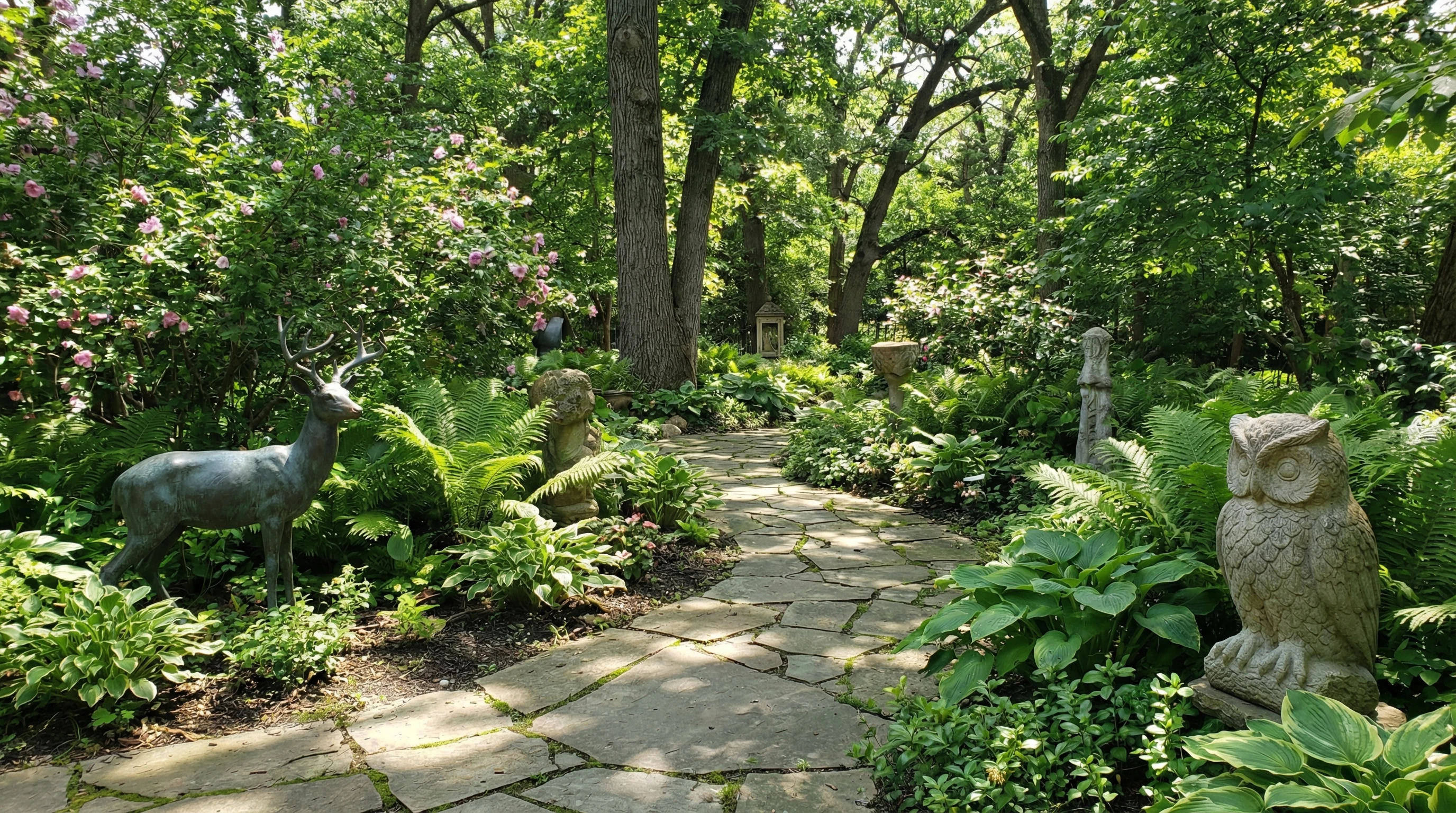
 A beautiful garden feels even more special when your favorite ornaments stay clean and bright. Whether you’ve got concrete statues, painted birdbaths, terracotta frogs, or mosaic stepping stones, keeping mold and mildew off them is something I’ve found really important for keeping the whole space looking fresh. Mold not only makes ornaments look a little dingy, but it can also damage the surface and even make things slippery or unsafe.
If you’ve noticed green, black, or fuzzy patches on your outdoor decorations, you’re definitely not alone. Mold and mildew thrive outdoors, especially where air is humid or ornaments rarely move. Good news: with some easy habits and the right care, you can stop mold from taking over. Here are my top strategies for preventing mold and mildew on garden ornaments, so you can enjoy a cleaner, healthier garden year-round.
1. Understand What Causes Mold and Mildew on Ornaments
Mold and mildew form when moisture, organic material like pollen or dirt, and the right temperatures come together. Outdoor ornaments get hit by rain, dew, and occasional splashes from the garden hose. If they’re in a shady spot, or if leaves and dirt pile up, mold gets even more comfortable.
Most garden ornaments made of concrete, resin, ceramic, or metal are a little porous. Water seeps in, hangs around, and gives spores a place to grow. If your ornaments sit under overhanging trees or right on damp soil, they’ll have more problems with mold and mildew than if they’re placed on gravel or sunny patios.
2. Choose Mold Resistant Materials and Good Placement
Some materials handle outdoor life a lot better than others. I’ve noticed that glazed ceramics, properly sealed concrete, metal like bronze or stainless steel, and high quality resin all tend to resist mold a little more. Unsealed wood, porous terracotta, or cheap resin can be more of a headache.
- Materials Worth Considering: Glazed ceramic, powder coated or stainless steel, weather sealed concrete, and resin designed for outdoor use.
- Where to Place Ornaments: Pick locations where your decorations dry quickly after rain. Sunny spots are great. Avoid placing them where plants drip or where the ground is always damp.
Keeping garden ornaments raised a little on gravel, stones, or bricks helps air flow underneath, which makes a real difference in preventing moldy buildup.
3. Regular Cleaning Routines That Keep Mold in Check
A quick rinse and wipe now and then is super useful for keeping things under control. Mold spores are always floating through the air, landing on garden ornaments. If dirt or algae gets a grip, mold usually follows.
Weekly or Biweekly Quick Clean:
- Rinse ornaments with a garden hose to wash off dust, pollen, and bird droppings.
- Scrub gently with a soft brush or old sponge, especially in detailed spots or crevices.
- For fragile or painted pieces, use plain water or very mild soapy water.
Monthly Deep Clean (If Needed):
- Mix a mild solution of water with a splash of white vinegar or baking soda (not both at once!).
- Scrub problem spots, rinse well, and let ornaments dry in the sun.
Never use bleach on painted, metallic, or delicate materials. It can throw off colors and speed up wear. If you want some extra tips, this guide from Garden Design is pretty handy for cleaning advice that matches your specific material.
In addition, keeping an old toothbrush on hand for tiny decorative details can help prevent buildup in those hard to reach places. Make it fun, perhaps by getting family or friends to help out while you catch up and enjoy the garden together!
4. Use Protective Sealants and Natural Sprays
One of the best ways I keep my ornaments cleaner, longer, is by sealing them. Many garden centers sell weatherproof sealants for concrete, stone, and sometimes even resin or terracotta. This thin layer keeps water and spores from soaking in.
- Concrete and Stone: Use a breathable masonry or concrete sealer every 1-2 years.
- Terracotta: Check if it’s already glazed. If not, specialty terracotta sealers are available.
- Metal: Use a rust inhibitor spray or car wax to create a moisture barrier.
After cleaning, let pieces dry a full day before applying any sealant. Reapply as needed if water stops beading up on the surface.
For added prevention, spraying a light solution of white vinegar and water (about 1:4 ratio) onto the surface every few weeks can help suppress new growth. Just avoid spraying on delicate paints or metals.
If you’re after a more natural cleaning boost, try wiping ornaments with a mild solution of lemon juice and water. Citrus oils can also help discourage mold while leaving a fresh scent behind.
5. Improve Garden Drainage and Air Circulation
Damp, still air is a dream for mold spores. Improving drainage in garden beds and trimming back crowded plants helps everything from garden gnomes to birdbaths dry out faster.
- Keep mulch or soil from piling up around the bases of statues.
- Use a rake to gently loosen packed soil under heavy ornaments—this helps water move away rather than pool underneath.
- Prune shrubs and branches around your ornaments to keep sunlight and breezes flowing.
If you notice puddles forming after rain, that could signal a spot where mold could start. Moving decorations just a couple feet to a drier location can really cut down on growth.
Sometimes, small adjustments to the garden’s layout can make a big difference. Think of adding a small gravel layer or gentle slope around the display areas to guide water away easily.
6. Quick Mold and Mildew Removal When You Spot It
If you see that familiar green, gray, or black fuzz starting, act fast. Early removal is way easier than a full makeover later. Here’s how I handle it:
- Mix a solution of equal parts white vinegar and water. For tougher spots, a bit of dish soap can help.
- Use a soft brush or an old toothbrush to scrub crevices and textured details.
- Rinse well, then set out in the sun to dry completely. Sunlight is pretty great at killing leftover spores.
Resist the urge to power wash fragile or detailed ornaments. Strong pressure can chip ornament finishes or force water into small cracks, which sometimes leads to more problems.
7. Store Delicate Ornaments Indoors During Wet Months
For pieces that are especially thin, hand painted, or have metal that’s prone to rust, I like to bring them inside during the wettest part of the year. Even just moving them to a sheltered porch or shed can make a big difference.
If storage isn’t an option, try placing a saucer or stepping stone underneath to keep ornaments raised above soggy ground.
Consider wrapping particularly fragile or precious ornaments in soft cloth for storage, and label boxes for easy access when the drier season rolls around.
8. Check Ornaments Regularly for Wear and Damage
Cracks, chips, or worn sealant give mold and mildew more places to hide. Make it a habit to check everything when you walk your garden. Patch up minor chips and touch up sealant if you spot faded or rough areas.
Repairs keep your decorations looking great while helping your mold prevention go a lot further. You might even catch other maintenance needs before they become a bigger hassle. Over time, you’ll get a feel for your garden’s trouble spots and can fix small issues before mold becomes a major problem.
Final Thoughts
Keeping your outdoor garden ornaments free from mold or mildew is all about working with your garden’s natural rhythms. A little regular cleaning and some thoughtful placement go a long way. The garden feels much fresher and more inviting when ornaments look their best and surfaces stay safe to touch. If you’re searching for more super detailed tips or product guides, this gardeners.com resource is super useful for tackling cleaning and maintenance for unique ornament materials.
What’s your favorite garden ornament, and how have you kept it looking great over the years? I’d love to hear your stories or tips!
Hello!
Oh this hit home for me. I live in the high desert in Arizona, so mold and mildew honestly aren’t things I think about very often — it’s usually sun fade, dust, or wind doing the damage. That said, I’ve definitely noticed that anything tucked into a shady corner or near irrigation can still get funky over time, and your article made me realize I probably ignore those spots longer than I should. I liked that this wasn’t overcomplicated and felt doable for real life. Do you find that prevention looks different in dry climates like ours compared to humid areas? And is there a “good enough” maintenance rhythm for people who don’t want garden upkeep turning into a full-time job? This gave me a few ideas I’ll actually use.
Angela M 🙂
Angela, I love this comment—high desert reality check ???????? Thank you for sharing your perspective!
You’re absolutely right: prevention does look a little different in dry climates like Arizona. You trade constant moisture issues for sun fade, dust buildup, and wind abrasion. That said, you nailed the sneaky part—shade + irrigation = micro-climates where mold, mildew, and algae can still throw a party if we ignore them too long. Those are usually the spots that surprise people.
As for a “good enough” maintenance rhythm (because none of us want a second full-time job ????), here’s a realistic approach that works well in dry climates:
Seasonal check-ins (3–4x a year): Walk the garden, look at shady corners, drip lines, north-facing surfaces, and anything near the ground.Light cleaning as you notice issues: Dust and debris trap moisture—even in the desert—so a quick brush or rinse goes a long way.Sun protection mindset: In dry areas, UV damage often happens before biological growth, so sealers and coatings matter more here.Don’t chase perfection: If it’s stable, safe, and slowing deterioration—you’re winning.
Prevention doesn’t have to be perfect to be effective. It just needs to be consistent and doable, and I’m really glad the article sparked ideas you’ll actually use—that’s the best compliment I could get ???? Thanks for taking the time to share this!
With Gratitude
Much Love
Good Luck & Have Fun
Richard