
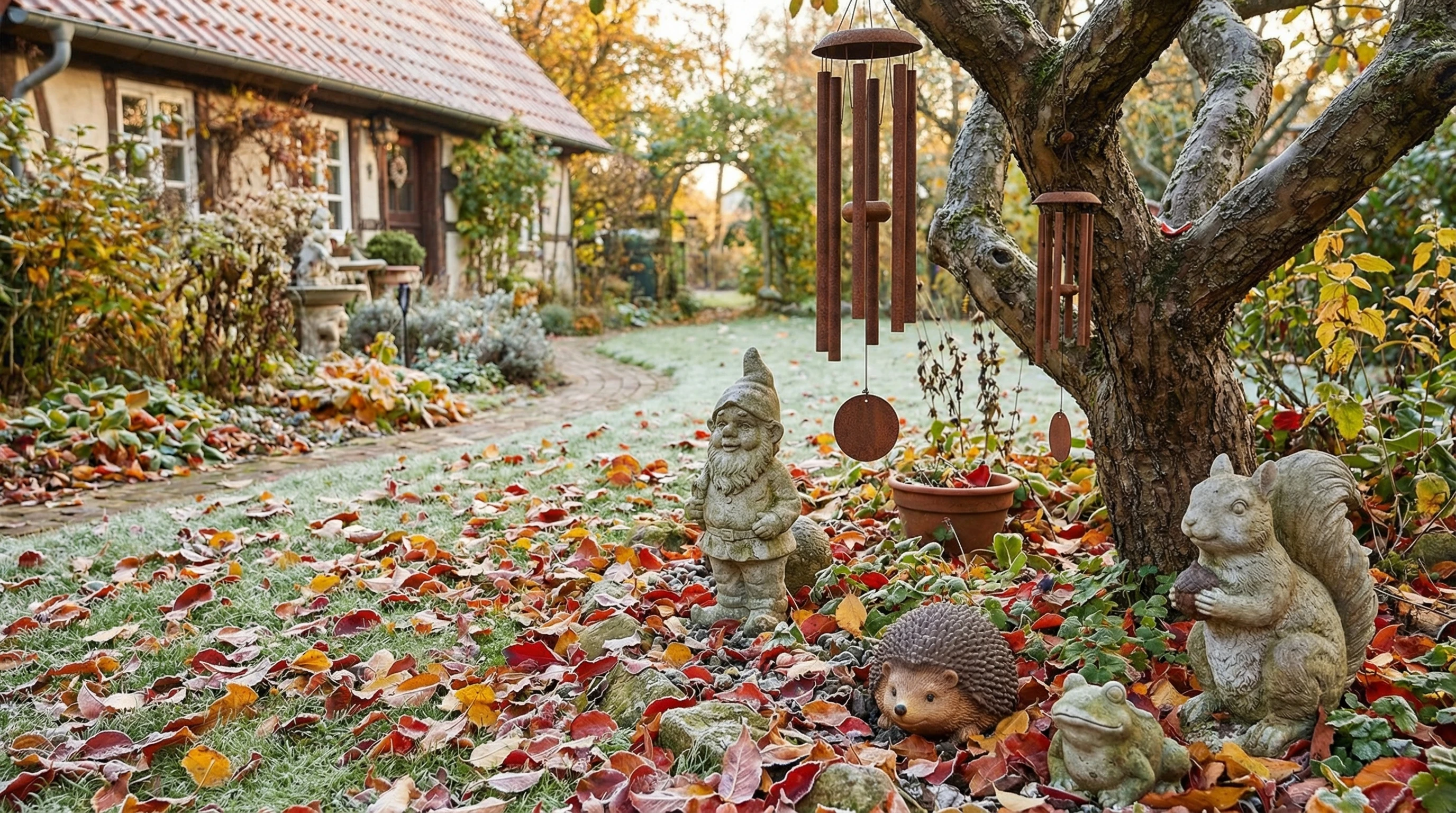
 Garden ornaments can add personality and charm to any outdoor space, but when winter rolls around, cold temperatures and wet weather can really make even the sturdiest pieces vulnerable. From classic stone statues to delicate wind chimes or painted ceramics, taking time for a little seasonal maintenance keeps them looking great year after year.
If you’re like me, you probably have a collection of quirky or sentimental ornaments scattered throughout the garden. The thought of snow, ice, and constant moisture causing cracks or fading can be a little worrying. Thankfully, with a few simple steps, you can get everything ready for winter and relax knowing your favorite pieces are protected.
This guide covers everything I do each autumn to prep my own ornaments. I’ll walk you through cleaning, repairs, weatherproofing, storage, and give a few tips for special materials so you can keep your decorations looking their best, no matter how harsh the winter gets.
1. Clean and Inspect Ornaments Thoroughly
Before tucking anything away or wrapping up statues in the yard, I always start with careful cleaning. Dirt and moisture get trapped in small cracks and crevices, leading to stains or weakening the material over time.
- Stone, Concrete, and Resin: I use a soft-bristled brush and mild soap with water to remove soil and algae. Avoid strong chemical cleaners because they might break down the finish.
- Metal (like copper, iron, or aluminum): A damp cloth works well for wiping off dust. For rust spots, I gently sand them down or use a rust remover made for outdoor decor.
- Ceramic, Glass, and Painted Pieces: These need a gentle touch. I stick to plain water and a soft cloth, especially for anything hand painted or glazed.
After cleaning each item, I do a full inspection. Look for cracks, chips, flaking paint, or signs of moss or lichen growth. Catching small issues now makes repairs way easier, and it feels good heading into winter knowing you’re on top of things.
2. Make Simple Repairs Before Winter Hits
Small problems only get bigger if they’re left untreated in freezing weather. When I notice cracks or loose parts, here’s how I take care of them:
- Fill Minor Cracks or Chips: For stone, concrete, and resin, exterior grade epoxy or masonry filler works pretty well. For ceramics, I choose a waterproof adhesive made for pottery.
- Touch Up Paint: Outdoor acrylic paints or specialty enamel coats help patch up small bare spots. Always wait until everything is dry after cleaning!
- Replace or Reattach Hardware: Broken stakes, hangers, or chains should be swapped out for stainless steel or galvanized versions so they won’t rust.
Any major repairs, like big breaks or large rust patches, sometimes call for a professional. This is especially true if the ornament is valuable or sentimental. But most small fixes only take a few minutes and make a huge difference.
3. Weatherproof for Extra Protection
Even outdoor decorations need some extra help against winter weather. I use these quick methods to help ornaments resist moisture, frost, and snow:
- Apply a Sealant: Stone, concrete, and unglazed ceramic benefit from a coat of masonry or stone sealer. Make sure it’s labeled breathable so moisture inside can escape instead of causing damage.
- Use Wax or Spray for Metal: A thin coat of car wax really helps repel water on metal pieces. Specialty waterproof sprays can do the trick for both metal and resin decorations.
- Clear Varnish for Painted Ornaments: For wooden or brightly painted ornaments, a spray on clear sealant adds an extra waterproof barrier and can help stop fading.
Always test a small area first, and double check the label to make sure it’s safe for the material you’re working on. Sealing in autumn on a dry, mild day gives the best results.
4. Move or Store Delicate Ornaments
Some decorations are a bit too fragile or valuable to tough it out in the yard all winter. I make it a habit to bring these inside or into a sheltered spot as soon as the cold starts creeping in:
- Glass, Ceramic, and Painted Items: These do best stored indoors or in a garden shed. I wrap each piece in soft cloth or bubble wrap, then pack them loosely in bins or sturdy boxes to prevent scratches.
- Solar Lights and Wind Chimes: Extreme cold can shorten battery life or crack plastic. I take solar components inside and hang wind chimes in the garage or by a covered porch.
- Statues That Can Tip or Fall: Tall, hollow, or narrow statues sometimes blow over in strong winter winds or can be cracked by ice. I gently lay them down in a dry shed or tuck them into a corner protected from gusts.
Even if you don’t have a big shed, placing lightweight or fragile ornaments under a covered porch or in the garage gives them a much better chance of surviving the winter unscathed.
5. Prepare Sturdy Ornaments That Stay Outdoors
Not everything needs to be packed up. Heavy, solid ornaments, like large stone statues, birdbaths, or big concrete planters, can stay in place with a few adjustments. Here’s what I do for my own pieces sticking it out in the elements:
- Raise Them Off the Ground: Placing statues on bricks or blocks helps avoid water pooling at the base. This helps stop freeze and crack damage at the bottom.
- Cover with Breathable Material: For anything super valuable, I use burlap or an old sheet to protect from snow and ice but still allow airflow. I skip plastic tarps since they can trap moisture and cause mold or damage.
- Empty Birdbaths and Planters: Frozen water can split even thick concrete. I dump out all the water, flip birdbaths upside down, and turn empty planters so they don’t fill with rain or snow.
Taking a little time on these sturdy pieces greatly reduces wear and means your garden will look just as good when spring comes around.
6. Special Tips for Different Materials
Each type of ornament needs its own approach for winter. Here’s what I’ve found works for some of the most common types:
- Terracotta: These are especially prone to cracking from freeze thaw cycles. I always store them inside or, if they’re too big to move, wrap them tightly with insulation and cover gently with burlap.
- Wood: Painted or treated wood should be cleaned and given a fresh coat of weatherproofing oil or sealant if needed. Any rot should be addressed before storage. Giving wood a new coat before storing ensures it will stand up better to spring weather, too.
- Plastic and Resin: These materials generally stand up well to water but can become brittle in the cold. A sheltered spot extends their life, and faded spots can be spruced up with a little spray paint come spring. If you want them to keep their color, try a UV resistant spray at the end of autumn.
You can also check with your local garden center for specific product recommendations or new methods for protecting different ornament types as garden materials continue to change and improve.
7. Keep Inventory and Plan for Next Year
Once everything is prepped or tucked away, I like to keep a simple inventory. This is especially helpful if your collection is growing or you want to add new décor next year. A quick photo on your phone or a notebook list makes it easy to remember what you’ve got and where you stored it. Reflecting on your garden’s look throughout the changing seasons is also a great way to brainstorm ideas for future improvements.
Winter’s also a good time to browse for new pieces, plan a few paint touch ups, or think up creative DIY garden décor projects for when the weather warms up. Sometimes, thrift stores or online marketplaces have great finds during the off season, and you can score eye catching ornaments to refresh your outdoor space.
Final Thoughts
Protecting garden ornaments from winter weather doesn’t require a ton of time or money. Getting into the habit of seasonal maintenance helps favorite pieces last and keeps the garden looking great, even after a harsh winter. With a little prepping and a bit of TLC, you’ll be ready to put everything back on display once the spring thaw arrives. Taking steps to properly store, repair, and shield your ornaments means you’ll enjoy them for years to come. So as the seasons switch up, take an afternoon to give your garden décor the care it deserves—it really pays off when the flowers bloom again.
I really enjoyed reading your guide on preparing garden ornaments for winter. The step‑by‑step approach to cleaning, inspecting, and making simple repairs before the cold hits is both practical and easy to follow, especially your tips for handling different materials like stone, metal, ceramic, and plastic. I also appreciate the advice about weatherproofing with sealants and protective coatings so that pieces aren’t as vulnerable to moisture and frost. Your point about moving the more delicate and fragile decorations inside or under shelter was particularly thoughtful. As someone who also loves preserving outdoor decorations, I’m curious about which sealants or weatherproof products you personally find most effective for preventing winter moisture damage on porous stone ornaments.
Thank you so much, Hanna—your comment truly made my day. I’m really glad you enjoyed the guide and found the step-by-step approach helpful. Taking the time to clean, inspect, and make small repairs before winter can make such a big difference, and it’s great to hear that the material-specific tips resonated with you. I especially appreciate you noticing the weatherproofing and shelter suggestions—those little preventative steps go a long way in protecting pieces we’ve grown attached to. I love that you share the same passion for preserving outdoor decorations, and your question about sealants for porous stone is a great one. It’s always inspiring to connect with someone who genuinely cares about giving these ornaments a longer, healthier life outdoors. Thanks again for such a thoughtful and encouraging comment!
Here’s a friendly, practical roundup of high-quality sealants and waterproofing products that are especially effective for protecting porous stone ornaments (like limestone, sandstone, travertine, and other outdoor decorative stone) from winter moisture, freeze-thaw damage, and staining. I’ll focus on products that either penetrate and protect the stone’s interior pores (best for breathable long-term protection) or form a durable external barrier — both help reduce moisture damage and deterioration when winter weather hits. (Serveon Sealants)
Miracle Sealants 511 Porous Plus Sealer
$69.98
Miracle Sealants 511 Impregnator Sealer
$34.98
Stonetech BulletProof Sealer
$62.99
Rain Guard Stone Sealer SP-6001
$18.99
Miracle Sealants Tile, Stone & Grout Sealer
$30.48
Behr Premium Natural Protector and Waterproofer
$37.98
Quikrete Waterproofing Sealer
$26.08
Porous Stone Ultra WPR-500
$122.99
????️ Top Penetrating Sealers — Best for Porous Stone
These products soak into the stone and create an internal, breathable water-repellent barrier — ideal for outdoor ornaments that experience freeze-thaw cycles.
Miracle Sealants 511 Porous Plus Sealer – Excellent choice for highly porous stones. Creates a strong invisible barrier that resists moisture and staining while letting vapor escape — great for freeze/thaw climates.Miracle Sealants 511 Impregnator Sealer – A trusted, classic stone sealer with good overall protection for medium-density porous stone and a matte natural look.Stonetech BulletProof Sealer – Premium option with enhanced moisture and stain resistance, ideal if you want stronger protection and longevity.
????️ Clear & Invisible Waterproofing (Easy Application)
These are great if you want simple application with clear/neutral finish and broad protection.
Rain Guard Stone Sealer SP-6001 – ⭐ Highly rated and clear, invisible, weather-resistant stone sealer that’s low-odor and safe around plants + pets — great for delicate ornaments.Miracle Sealants Tile, Stone & Grout Sealer – Budget-friendly everyday sealer that reduces water penetration and helps guard against freeze/thaw damage.
???? Multi-Surface & Budget-Friendly Options
Solid general-purpose sealers that also waterproof stone and complementary masonry material.
Behr Premium Natural Protector and Waterproofer – Affordable waterproofer that works on stone, brick, and other porous masonry with good durability.Quikrete Waterproofing Sealer – A clear penetrating silicone-based waterproofer that’s easy to apply and holds up well to weathering.
???? Professional-Grade / Heavy Duty
For the best long-term protection on very porous, exposed stone surfaces.
Porous Stone Ultra WPR-500 – High-performance industrial-grade sealant similar to RS500, designed for extremely porous stone and long-lasting weatherproofing. (Waypoint Sealants)
???? Tips for best results
Clean first. Remove dirt, moss, and efflorescence before sealing — a clean surface helps sealers penetrate better.Test a small area. Especially for decorative stone, test first to make sure the sealer doesn’t alter the look more than you want (some intensify color).Multiple coats? Some penetrating sealers benefit from a second coat when surfaces are highly porous.Reapply over time. Outdoor sealers typically last 1–5+ years depending on weather exposure and product type.
Would you like me to tailor the list to a specific stone type (like limestone vs. granite vs. sandstone)? That way, I can zoom in on the absolute best for your ornament material. ????❄️
With Gratitude
Much Love
Good Luck & Have Fun
Richard