
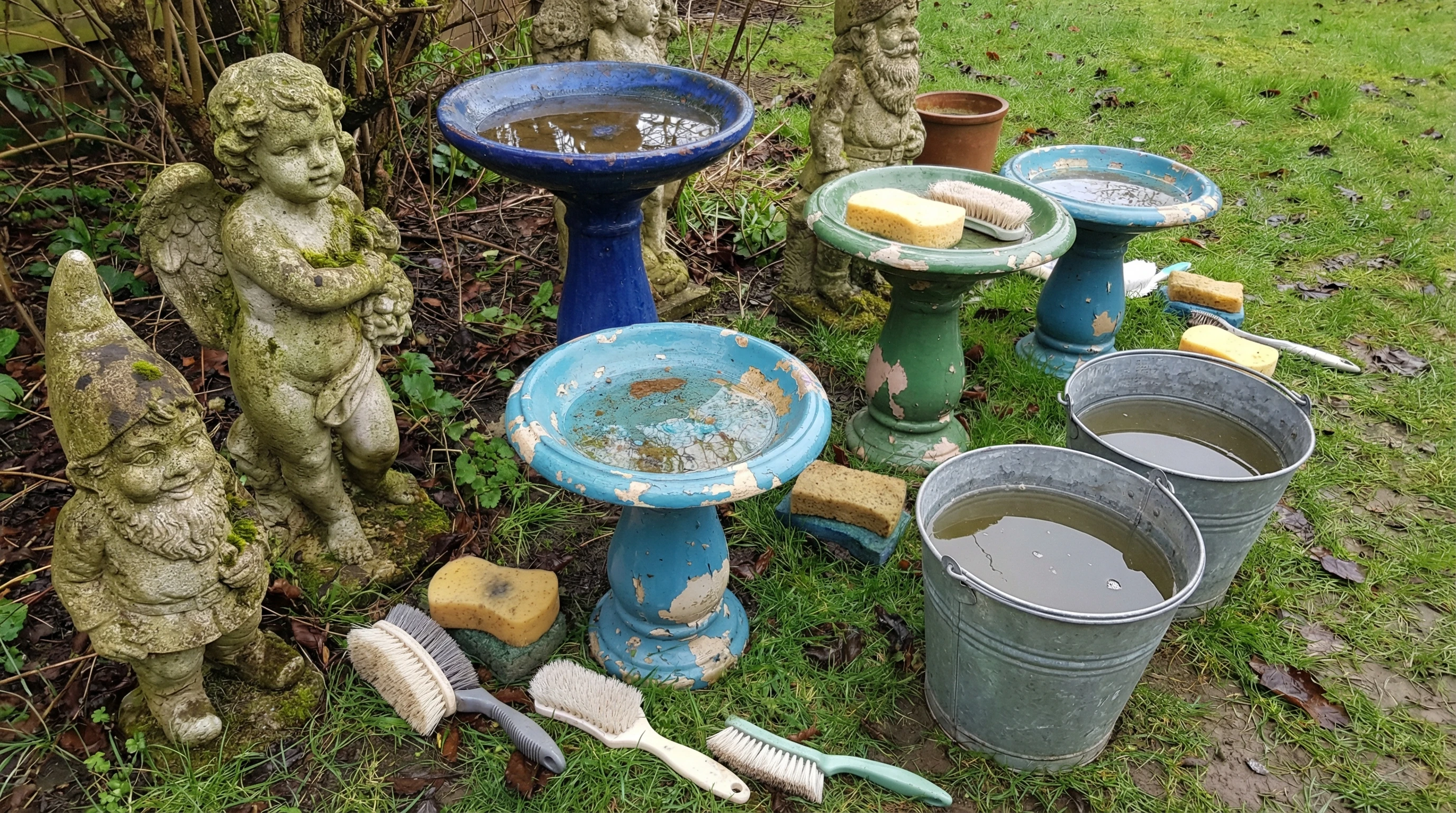
 Garden ornaments add a fun, personal touch to any outdoor space. Over time, though, dirt, algae, and weather can leave them looking tired. Finding ways to clean these pieces without causing chips, fading, or scratches is really important if you want them to stick around for years.
If you’ve found yourself scrubbing away at a favorite statue or bird bath and worrying about damage, you’re not alone. A lot of garden ornaments are actually more delicate than they look—with finishes or materials that can get ruined by harsh cleaners or aggressive scrubbing. The good news is, a bit of knowledge and the right approach keeps your garden features looking fresh with no risk of harm.
I’m breaking down my top tips for cleaning garden ornaments in a way that protects their surfaces, colors, and charm. Whether you’re caring for vintage finds, new resin pieces, or anything in between, these steps will help your garden stay next-level cool all season long.
1. Know Your Ornament’s Material Before Cleaning
Different materials need different cleaning methods, so step one is figuring out what you’re working with. Stone, concrete, metal, ceramic, resin, and wood all react differently to water, brushes, and cleaners.
Quick Guide to Common Materials:
- Stone/Concrete: Pretty tough, but porous. Avoid strong acids or pressure washers.
- Metal (Bronze, Iron, Aluminum): Can rust or tarnish; stay away from abrasive pads and keep dry as much as possible.
- Ceramic/Glazed Pottery: Usually okay with gentle soaps, but avoid dropping or banging them.
- Resin/Plastic: These can scratch easily. Go easy and never use solventbased cleaners.
- Wood: Needs gentle cleaning and immediate drying to prevent mold or warping.
Most damage I’ve seen happens from not matching the cleaning method to the ornament’s material, so checking before you start makes a huge difference. If you’re not sure of the material, look for manufacturer’s tags or check online guides to get a sense of what you’re working with. Many garden shops also have tips for specific kinds of ornaments.
2. Start With the Gentlest Cleaning Approach
It’s tempting to blast away dirt with lots of elbow grease, but less is usually more when you want to protect your ornaments. I always start with the simplest thing that might work, and then step it up if needed.
- Plain Water: Try rinsing with a garden hose and wiping with a soft cloth first. Sometimes this is all it takes for surface dirt and bird droppings.
- Diluted Mild Soap: If plain water isn’t enough, mix a couple of drops of gentle dish soap in a bucket of water. Use a sponge or softbristled brush to gently scrub.
- Soft Brushes Only: Always skip the steel wool, scouring pads, or rough brushes—these can scratch or strip finishes.
If you’re worried about damaging paint or delicate surfaces, test your cleaner on a hidden spot first to be sure nothing weird happens. If your ornament is antique or has sentimental value, a patch test is always a good idea.
3. Dealing With Tough Stains (Without Harsh Chemicals)
Some stains, like algae, lichen, or black marks, don’t wash away easily. To keep things safe for your ornaments (and the birds and bugs that visit them), skip harsh chemicals and try these gentler fixes.
- Algae or Moss: A 50/50 blend of white vinegar and water is pretty handy for this. Spray on, let it sit for 10-15 minutes, scrub gently, and rinse well. Don’t use pure vinegar on marble, limestone, or similar stone, since it can etch the surface.
- Stubborn Stains: Make a paste of baking soda and water. Rub gently on the stain with a soft brush, then rinse away. I’ve found this great for resin and concrete pieces with little risk of damage.
- Mold or Mildew: For nonporous ceramics or glass, diluted hydrogen peroxide works well and is ecofriendly. Just don’t use bleach, which can damage both ornament and nearby plants.
Always rinse everything completely after using these mixtures so nothing sits on the surface too long. It’s a good move to let air flow get rid of extra moisture, particularly if the pieces have a lot of detail.
4. Special Tips for Metal, Resin, and Painted Ornaments
Some materials need a little extra care to avoid permanent marks or loss of color. Here’s what works for each type:
Metal:
- After cleaning, dry metal ornaments carefully with a towel to stop water spots or new rust from forming.
- Use a gentle, metalsafe polish if needed, but only if the manufacturer says it’s ok.
- Touch up chips or scratches in painted metal with rustproof outdoor paint to seal the spot—this keeps moisture out and prevents rust.
Resin/Plastic:
- Avoid any solventbased cleaners. Even things like window spray or alcohol can make the surface cloudy.
- If the surface gets scratched, you can sometimes fix it with a little petroleum jelly rubbed onto the area. This simple trick goes a long way for cleaning garden gnomes and similar figures.
Painted or Decorative Surfaces:
- Stick with barely damp cloths and avoid soaking these pieces or scrubbing paintwork. A soft paintbrush works great for getting dust out of detailed spots without touching the paint itself.
For all types, always finish by checking in on hidden or shaded areas to catch any leftover soap or moisture that could cause problems later on.
5. Rinse and Dry Carefully
It sounds basic, but a good rinse and gentle drying go a long way. Any cleaner or residue left behind can leave marks or even cause surface breakdown over time. For anything with cracks or details, I use an old toothbrush or a soft artist’s paintbrush to flush out crevices.
After rinsing, towel dry if possible. Leaving ceramic or metal pieces damp can lead to water spots or rust. For heavy or hard to reach statues, wipe down the accessible parts and let air do the rest, just make sure they’re not sitting in a puddle. Sometimes, setting ornaments on dry paving stones or using a small towel underneath can help speed things up and protect delicate finishes. For especially large decorations, gentle hand drying is your best bet, or do this on a sunny day so the ornaments dry faster and stay spotless.
6. Regular Light Cleaning Beats Occasional Deep Scrubbing
Waiting months until garden ornaments are really grimy leads to a harder cleaning job and a higher risk of accidentally harming them. A quick rinse and gentle wipe every month or after a storm is usually enough to keep dirt and growth from building up.
- If you keep up with light, regular cleaning, you almost never have to use strong products or aggressive scrubbing.
- Cobwebs or dust in details come off easily with a dry paintbrush. It’s way less stressful than dealing with big messes down the road, and your ornaments always look sharp.
For extra protection, dusting with a soft cloth now and then can make your ornaments really stand out and catch the light. It’s also a great chance to spot any cracks or damage before they turn into real problems.
7. Protect Your Ornaments After Cleaning
After each cleaning, it’s a good idea to take a few steps to help your ornaments stay looking good. Thoughtful aftercare also helps cut down on future cleaning time!
- Apply a Protective Wax: For nonporous stone, ceramic, and metal, a thin coat of clear, outdoorsafe wax helps repel rain and slow down staining.
- Move Fragile Pieces Before Big Storms: I’ve learned it’s always smarter to bring lighter or painted ornaments under cover for bad weather. It saves a ton of cleaning, keeps colors bright, and prevents chips.
- Choose Good Placement: If possible, keep resin and plastic ornaments out of direct sun to reduce fading, and raise wood pieces off the soil to stop rot. Using paving stones, small stands, or plant pot feet to boost them up is an easy win.
For particularly prized pieces, consider covering them during the winter or especially rainy seasons. Simple covers or tarps can shield them from harsh weather, while storing smaller ornaments indoors can make them last even longer. When putting ornaments back out, do a quick check to make sure they’re still in good shape—this keeps your garden looking fresh all year.
Final Thoughts
Keeping garden ornaments looking their best isn’t about harsh chemicals or scrubbing until your arms hurt. It’s mostly about gentle, frequent cleaning, matching the method to the material, and a little bit of easy aftercare. If you follow these tips, your favorite garden features can add personality and color for a long time, without needing repairs or touchups. If you’ve got a unique ornament you’re worried about, drop a description in the comments. I’m happy to offer some specific advice!
Such a helpful guide, garden ornaments really do sneak up on you with grime, and it’s easy to ruin them with good intentions. I love that you start with identifying the material first; that alone can save so many statues from pressure washer disasters. The gentle-first approach is a great reminder too. People forget that patience beats power when it comes to finishes and paint. The natural stain solutions are especially useful, and I appreciate the notes about which stones vinegar shouldn’t touch. Your aftercare tips are gold as well, waxing and smart placement make a bigger difference than most of us realize. This post makes maintaining outdoor décor feel manageable instead of intimidating. Definitely bookmarking this before my next spring garden cleanup. My bird bath and old resin gnome will thank me for the advice here.
Andrejs, thank you so much for such a thoughtful and encouraging comment—it truly means a lot. ???? You perfectly captured the heart of what I hoped to share: that good intentions can sometimes do the most damage if we rush in without understanding the material first. Your pressure-washer line made me laugh (and wince a little) because it’s such a common “oops” moment.
I’m especially glad the gentle-first mindset and the notes about vinegar and stone stood out to you. Those small details really do save a lot of heartbreak—and a lot of garden characters—from unnecessary wear. And yes, aftercare is the unsung hero! A little wax and smarter placement can extend the life of a piece far more than people expect.
Knowing this made garden care feel manageable rather than intimidating is the best compliment I could receive. Please give that bird bath and resin gnome my regards—they’ve clearly got a caring gardener looking out for them. Thanks again for taking the time to share such a kind, insightful response ????
With Gratitude
Much Love
Good Luck & Have Fun
Richard