
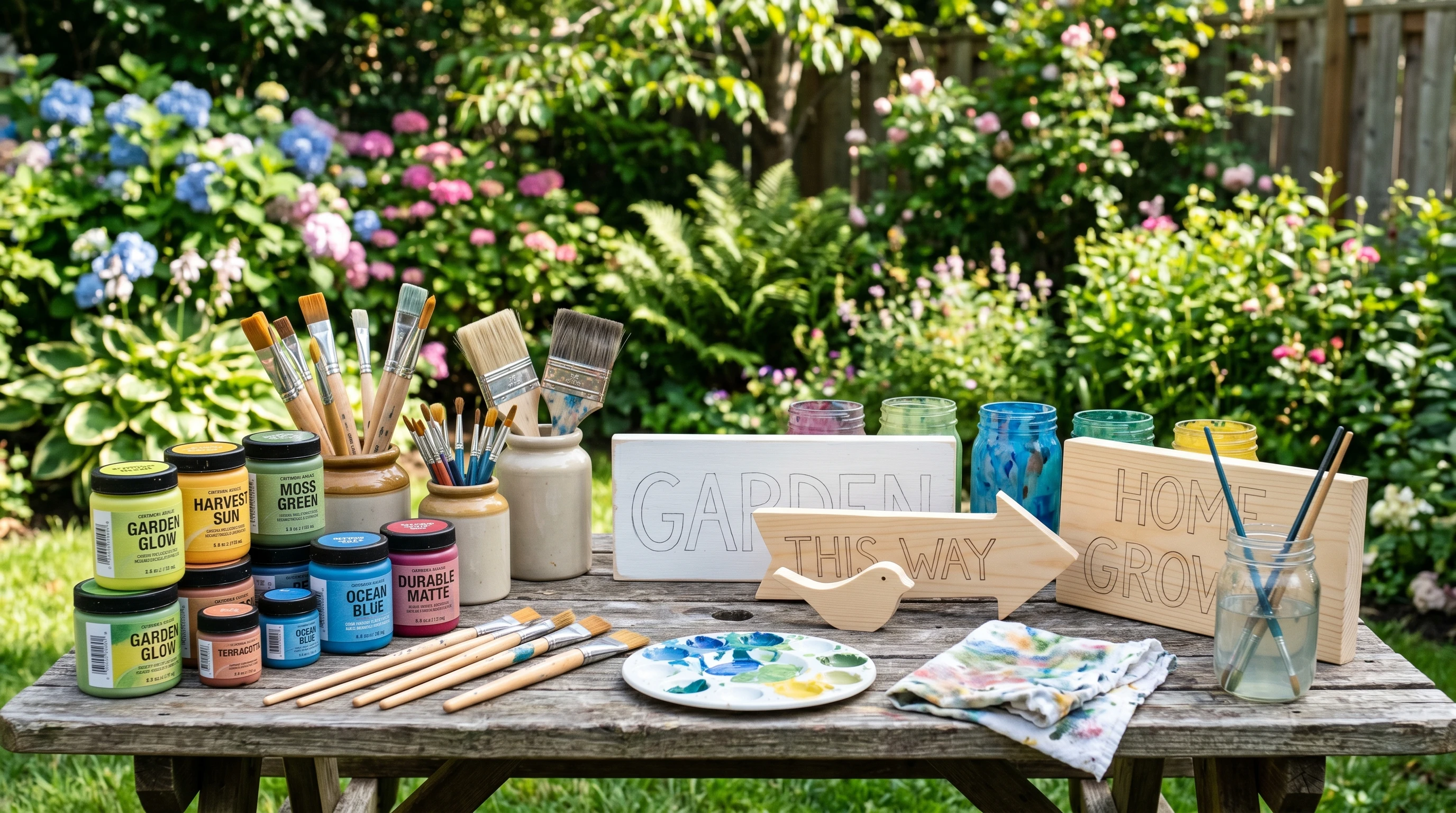
 Outdoor wood signs add charm, personality, and functionality to gardens, storefronts, or even a cozy patio at home. Unfortunately, harsh sun, rain, and changing temperatures can cause beautifully painted signs to fade, peel, or rot much faster than most people realize. Your signs deserve to look great for the long haul, so let’s break down the best ways to make that happen.
If you’ve ever watched your hand painted sign look dull or cracked after a season outside, you’re not alone. I’ve tried lots of options over the years; some gave impressive results, others not so much. Knowing how to pick the right durable paint and apply it properly makes all the difference for keeping your sign looking awesome, season after season.
This article will check out everything I’ve learned about picking paints that actually last outdoors—from types, finishes, and color choices, to the behind-the-scenes prep that really matters. There’s more to it than grabbing whatever can pops on the shelf. If you want your sign to stand up to the weather and look good doing it, these tips can help you out.
1. Know Your Paint Types: Acrylic vs. Oil Based vs. Exterior Grade
Not all paints work the same, especially for outdoor wood projects. The paint’s base—acrylic (waterbased), oilbased, or exterior grade—makes a big difference in how your sign looks and how long it holds up.
- Acrylic (Waterbased) Paints: These dry quickly, have low odor, and clean up easily with soap and water. Exterior acrylics flex as your sign expands and contracts with temperature changes, making them less likely to crack. The good ones also resist sun fading pretty well.
- Oilbased Paints: These soak deep into the wood and form a hard, moisture-resistant finish. They fight rain and snow effectively, though they take longer to dry and come with a stronger smell. Cleaning up after painting can be a chore too with these.
- Exterior Grade Specialty Paints: Some brands put together paint specifically for outdoor wood. These blends come with UV blockers, mildew resistance, and extra tough binders designed for long-lasting color and strong protection. If durability is your main goal, these are worth tracking down.
Picking the Right One for Your Project
If your sign is out in the sun and rain a lot, look for cans marked with “exterior” or “allweather.” Acrylic latex labeled for outdoor use is usually my top choice, but oilbased paints have their place for maximum water resistance. Don’t be afraid to ask at your hardware store if you’re unsure—reviews and staff advice can steer you toward paints that work well for your exact situation.
2. Don’t Skip the Wood Prep Step
The best paint can’t save you from bad prep. A dirty, rough, or damp surface sets you up for failure. After years of painting all sorts of wood signs, I can honestly say that proper prep counts as much as the paint itself for keeping things long-lasting.
- Sanding: Take time to smooth out rough areas with 120 to 220 grit sandpaper. This opens up the wood grain to help paint cling and soak in.
- Cleaning: Remove all dust, dirt, and grease with a dry brush or tack cloth. If things are really messy, a quick rub with soap and water helps, just let the wood dry out fully before anything else.
- Priming: Apply an exterior primer, especially if your wood is bare or never painted. This seals the grain, blocks stains, and gives you smoother color that lasts a whole lot longer. Don’t ignore this step unless your paint says it isn’t needed.
Spending some extra minutes on prep is like insurance for your sign’s new look. It’s well worth it in the long run.
3. Weather Resistance Features That Matter
Outdoor paint needs to do way more than just look nice for photos. Some features on the label matter a lot for making signs truly tough:
- UV Resistance: Keeps colors from getting dull or faded by stopping the sun’s rays from draining pigment so quickly.
- Mildew and Mold Resistance: If your sign sits in the shade or sees plenty of damp weather, this feature is a lifesaver.
- Flexible Finish: Paint that can flex as wood swells or shrinks instead of cracking and flaking off comes in handy over time.
- Water Repellency: Water staying on top of your paint (not soaking in) means less peeling, bubbling, or deep wood rot down the road.
High-quality paints often cost more but include stronger protection built right in. It’s sometimes worth investing in a better brand for this reason alone.
4. Finish and Color Choices for Lasting Beauty
Paint finish affects both how your sign looks and how well it endures the elements:
- Satin or Semigloss: This is my personal favorite for outdoor wood signs; it repels water well, stays easy to clean, and shows color with a bit of shine but not glaringly so.
- Matte or Flat: A matte finish hides surface flaws and gives signs a soft appearance, but it often soaks up dirt and moisture faster. Only the best outdoor matte paints provide real lasting protection, so most people get longer life from a glossier look.
When choosing colors, remember that high pigment content beats cheap, washed out paints every time. Deeper colors and rich brights usually last longest, while whites and pastels can fade or yellow quickly under hard sun if not protected properly.
5. Application Tips to Boost Durability
Even the best paint can fail if applied the wrong way. Here’s what helps outdoor signs keep looking great for the long haul:
- Two Thin Coats, Not One Thick: Thin layers stick and cure much better than globbing on thick paint. Thicker coats are likely to crack or peel faster.
- Seal the Edges and Back: Don’t focus just on the front—cover the sides, back, and any drill holes too. A sign sealed on all surfaces resists water entry and helps block rot.
- Give it Time to Dry: Always let the first coat dry completely (follow directions) before painting the next. Patience now means a stronger finish later.
If you rush, your paint job probably won’t last as long. Taking your time with application means you’re less likely to be frustrated later on.
6. Top Clear Coat or Sealer: Worth It?
Applying a clear, exterior grade sealer or polyurethane over your painted sign is a solid move for extra toughness. That added topcoat keeps colors deep, blocks water, and wards off fading. Just make sure you use the right type—waterbased on waterbased paint, oilbased over oilbased—so that your layers bond instead of peeling apart.
7. Extra Tips for Super Longlasting Signs
- Touch-Up or Recoat Every 1–2 Years: All outdoor signs need occasional care. Catching small chips or little cracks early helps stop water from sneaking into the wood—and that means fewer big repairs later.
- Mount with Good Drainage: Don’t let your sign sit flat against a wall or post where puddles can form. Use spacers or brackets so air circulates around it, helping things dry out quickly after rainstorms.
- Shelter Signs from Extreme Weather When Possible: If you can bring your sign inside during harsh winters or big storms, do it. Even top-rated paint lasts longer with occasional shelter.
Another tip: choose rot-resistant woods like cedar or redwood if you’re starting from scratch; they stand up to moisture better than softer or resin-treated woods.
Final Thoughts
Choosing the best paint for outdoor wood signs isn’t about grabbing the first “weatherproof” can you find. It means really reading paint labels, understanding your paint base, prepping the wood the right way, and following through with some key extra steps. Over the years, I’ve watched my own signs last way longer than my neighbors’ by taking a little more care—being picky and patient absolutely pays off. It’s worth it when your creation still looks eye-catching after a couple of seasons outdoors.
Tried an unusual paint combo or have your own secret recipe for keeping signs looking new? Feel free to share your experiences—everyone loves a good trick for beating the weather!
I think durability is something people don’t think about until it’s too late. Seeing a sign fade or peel can be really frustrating. The tips about weather resistance and sealing are especially useful. They seem like small steps but make a big impact over time. This is definitely valuable for anyone working on outdoor projects.
Hi Monica,
Your comment hit on something so many people learn the hard way… that quiet little word “durability” has a way of sneaking up like a surprise rainstorm on a freshly painted sign ????️????. You’re absolutely right, it’s often overlooked until the colors start fading and peeling like a sunburned tomato.
I really appreciate you pointing out the importance of weather resistance and sealing, because those “small steps” are actually the unsung heroes of outdoor projects. A good sealer is like a protective shield, locking in all that hard work and keeping the sun, rain, and temperature swings from slowly undoing it. It’s the difference between a sign that lasts one season and one that tells its story for years.
What I love most about your insight is how practical it is. You’re helping others pause for just a moment and think ahead, which can save a lot of time, effort, and a few “well… I guess I’m repainting this again” weekends ????
Thank you for sharing such thoughtful wisdom. It adds real value and helps turn a simple project into something lasting and meaningful.
Appreciate you being here!
????
With Gratitude
Much Love
Have Fun
Richard